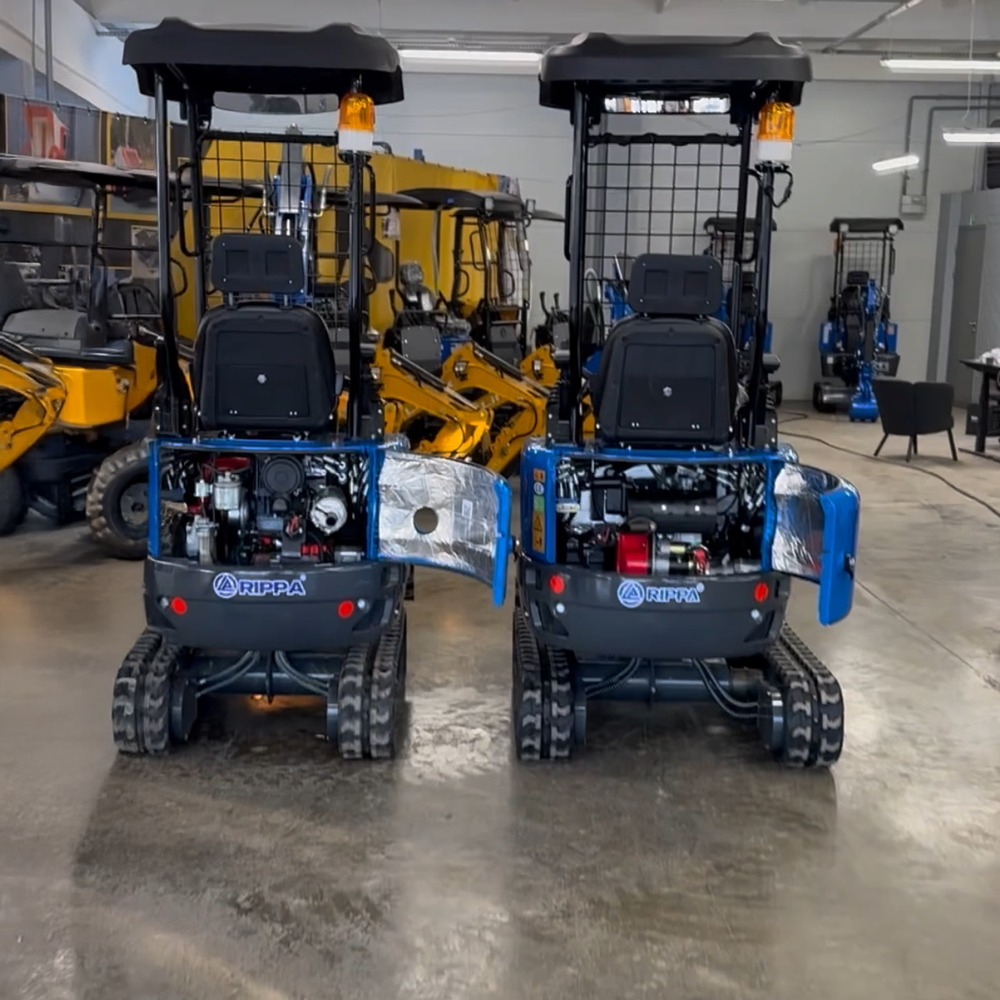
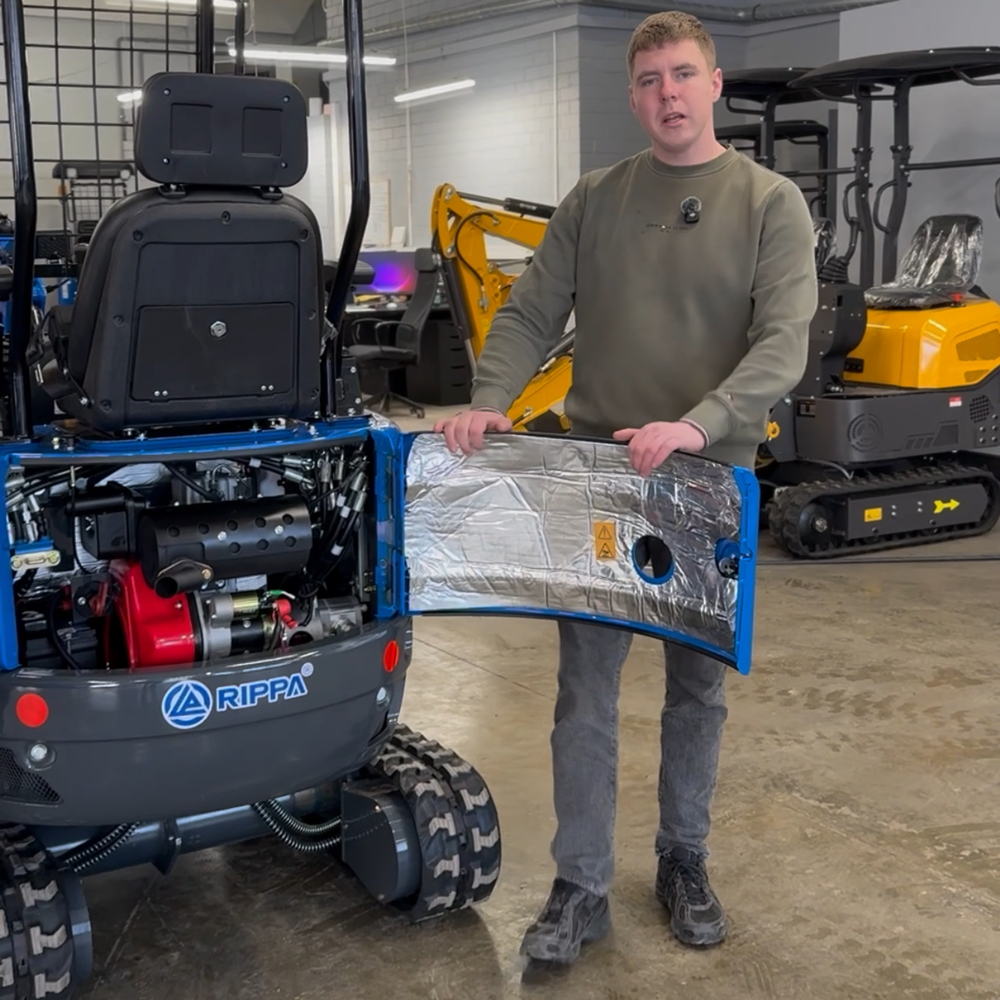
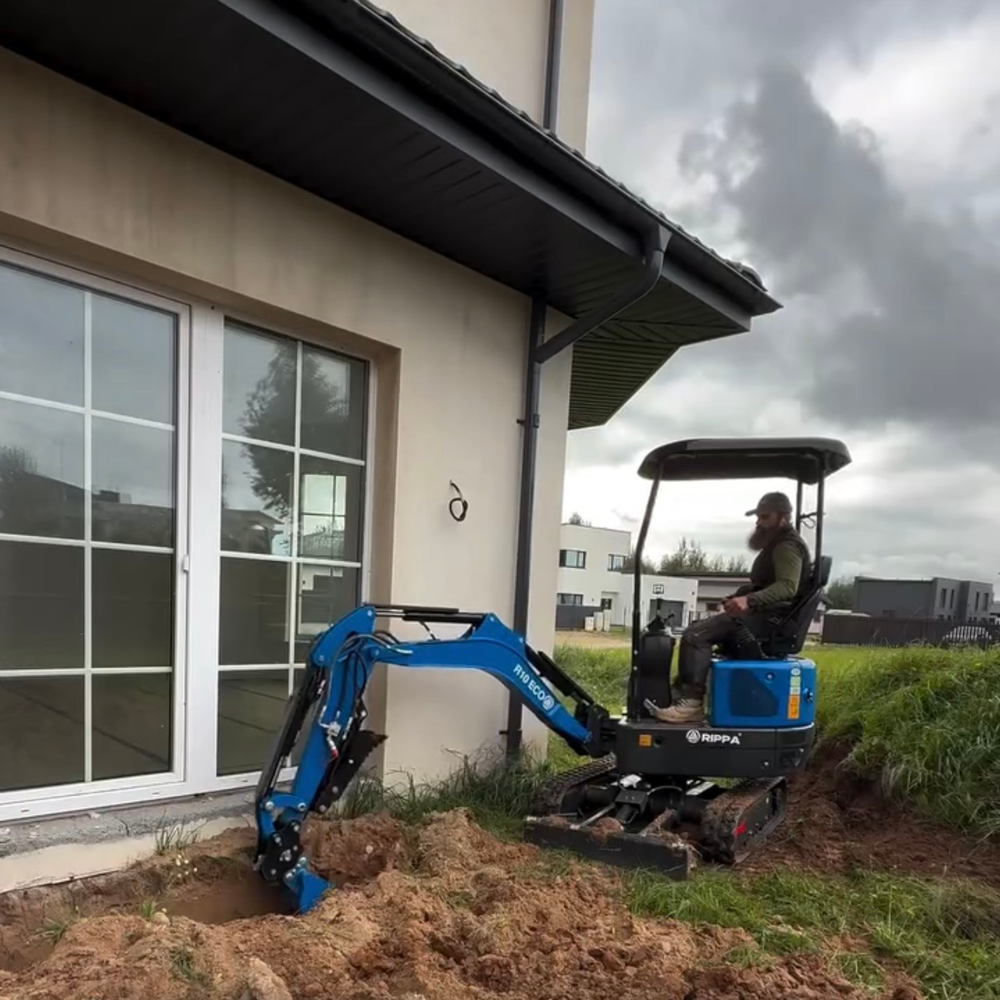
Two identical excavators.
Same power. Same fuel consumption.
So why does one cost more—and does it actually matter when working?
This question usually doesn’t come up in the showroom.
It comes up on site.
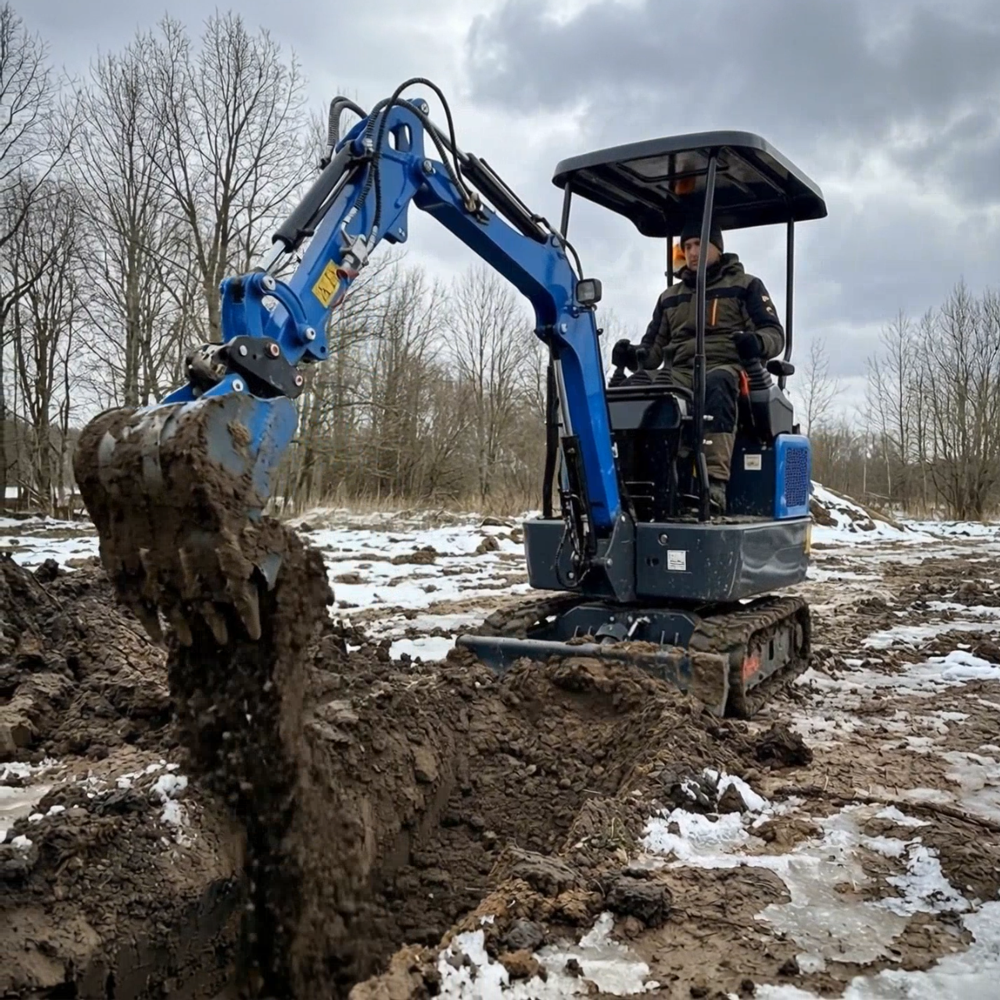
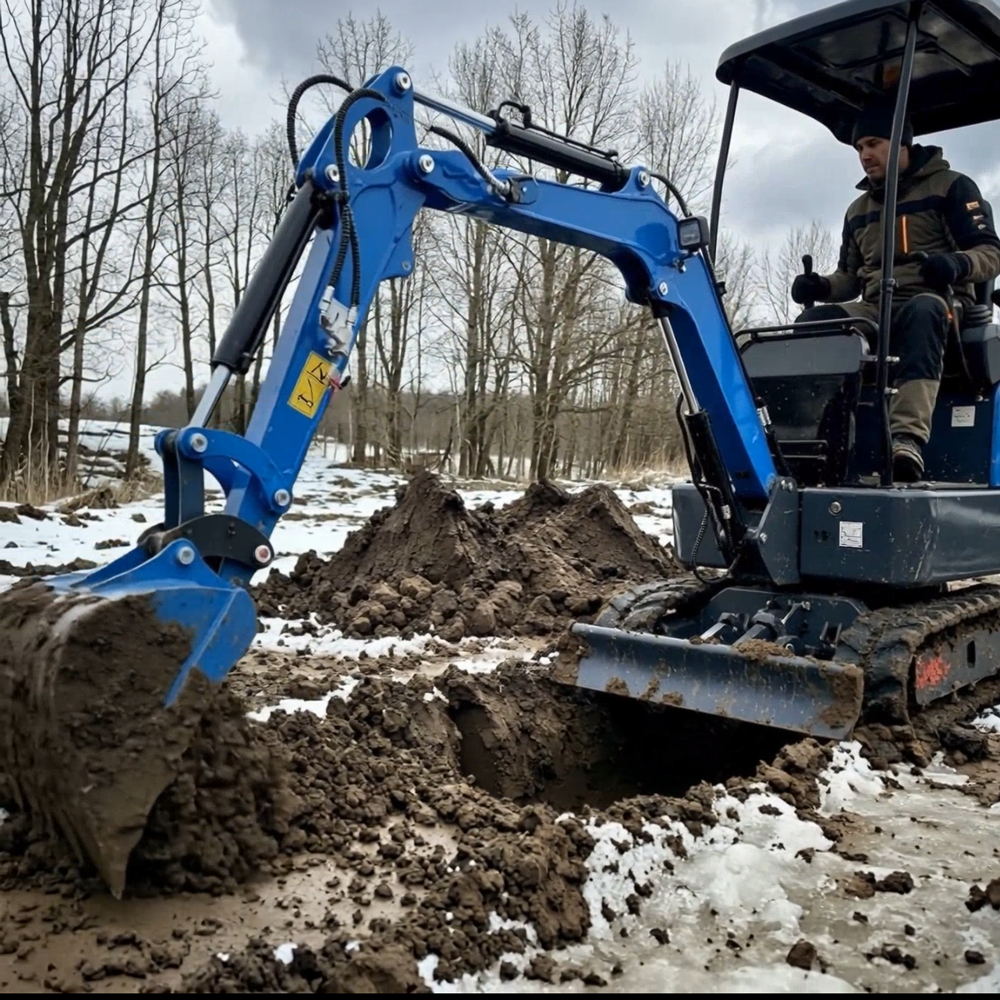
When a machine works every day, it becomes obvious very quickly that price is not defined by numbers on a spec sheet, but by how the engine holds its rhythm. One day you’re digging, the next you’re pushing, the third you’re working with attachments—and what matters most is not the badge, but whether the machine starts in the morning, holds RPM under load during the day, and still lets you work without a headache in the evening.
Not in theory—in reality.
How many hours per day does the machine work without long breaks?
Is it short, occasional jobs, or full days under constant load?
The same excavator can feel perfectly fine for one user and become irritating for another after a week. Soil type, attachments, and work duration are different—so the way the engine feels is different too.
The difference is not that one engine is “good” and the other is “bad.”
The difference appears when the machine is used in different working modes.
If your work is occasional and short-term, a single-cylinder engine is enough: arrive, dig, finish, leave.
But when the excavator works every day under steady load, vibration, noise, and fatigue start to show.
A single-cylinder engine is louder and transfers more vibration into the frame and the operator.
After a few hours, you feel it in your hands, your back, and your head.
Small tasks begin to slow down—not because of the operator, but because the machine is working closer to its limits.
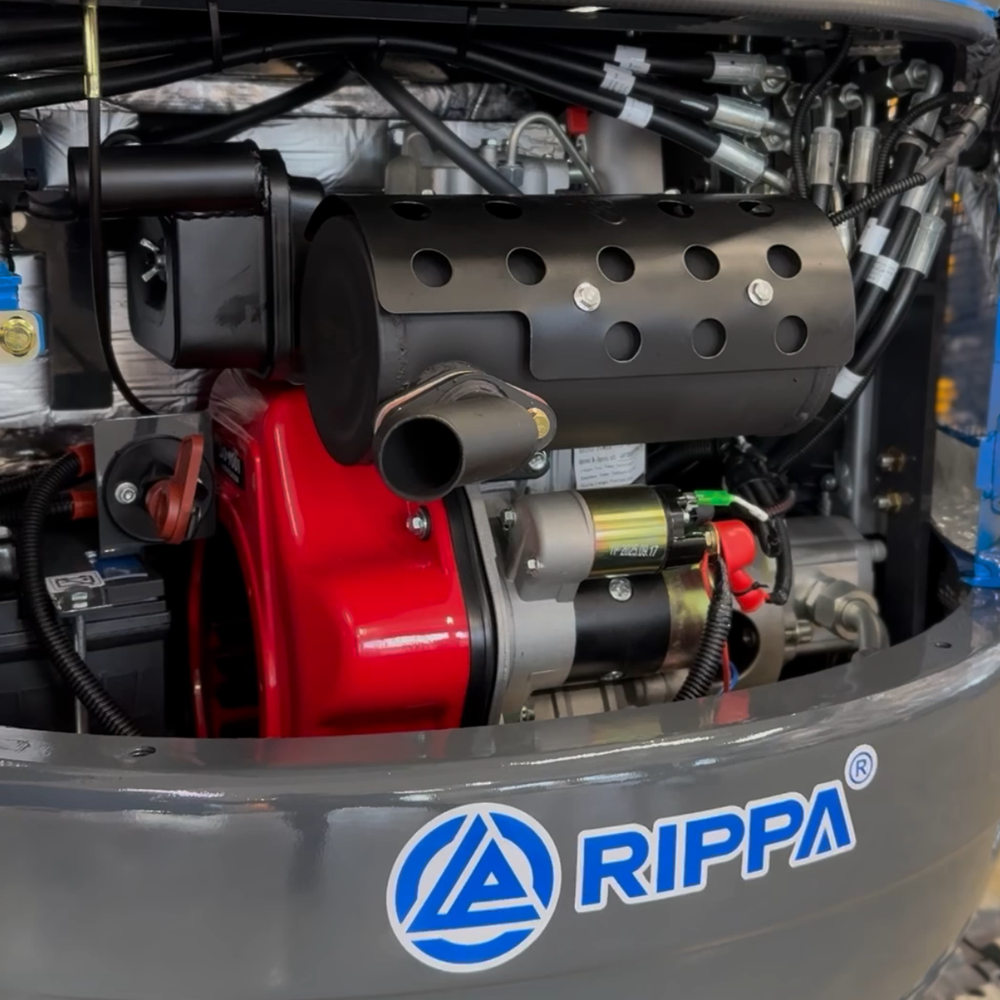
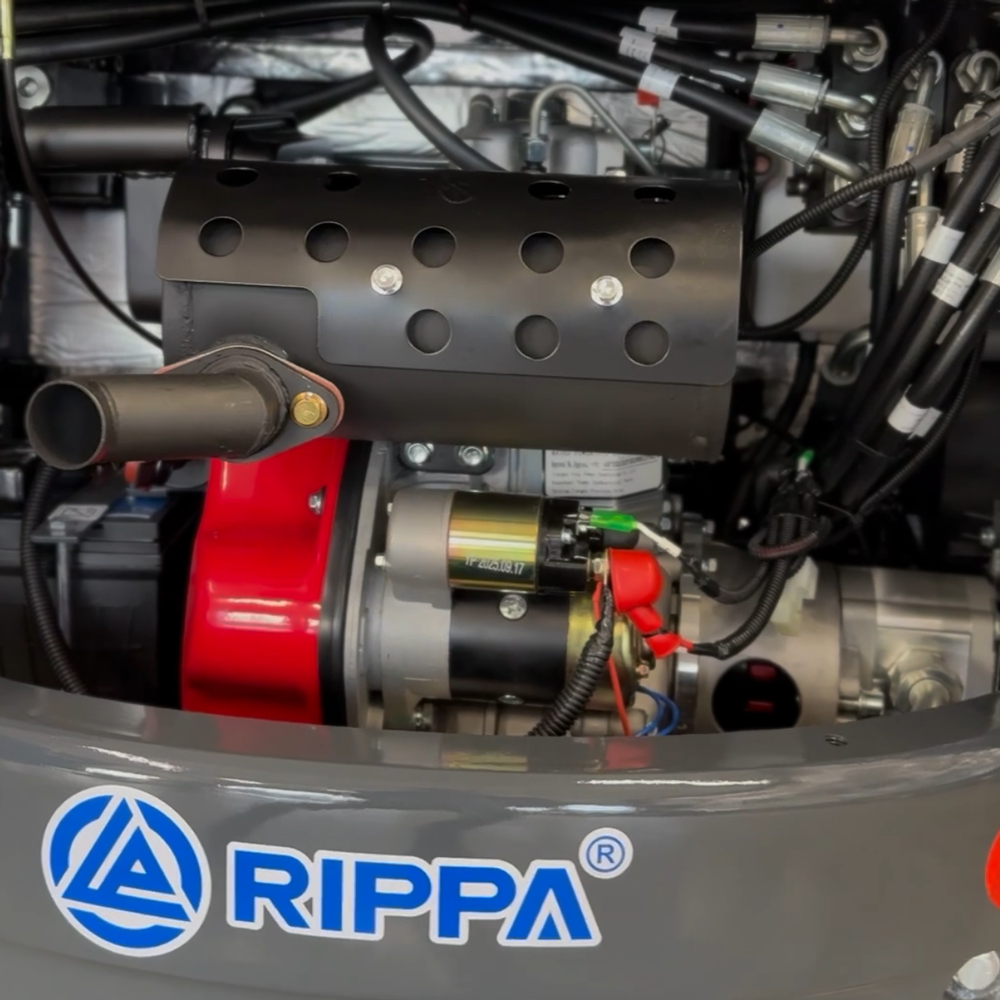
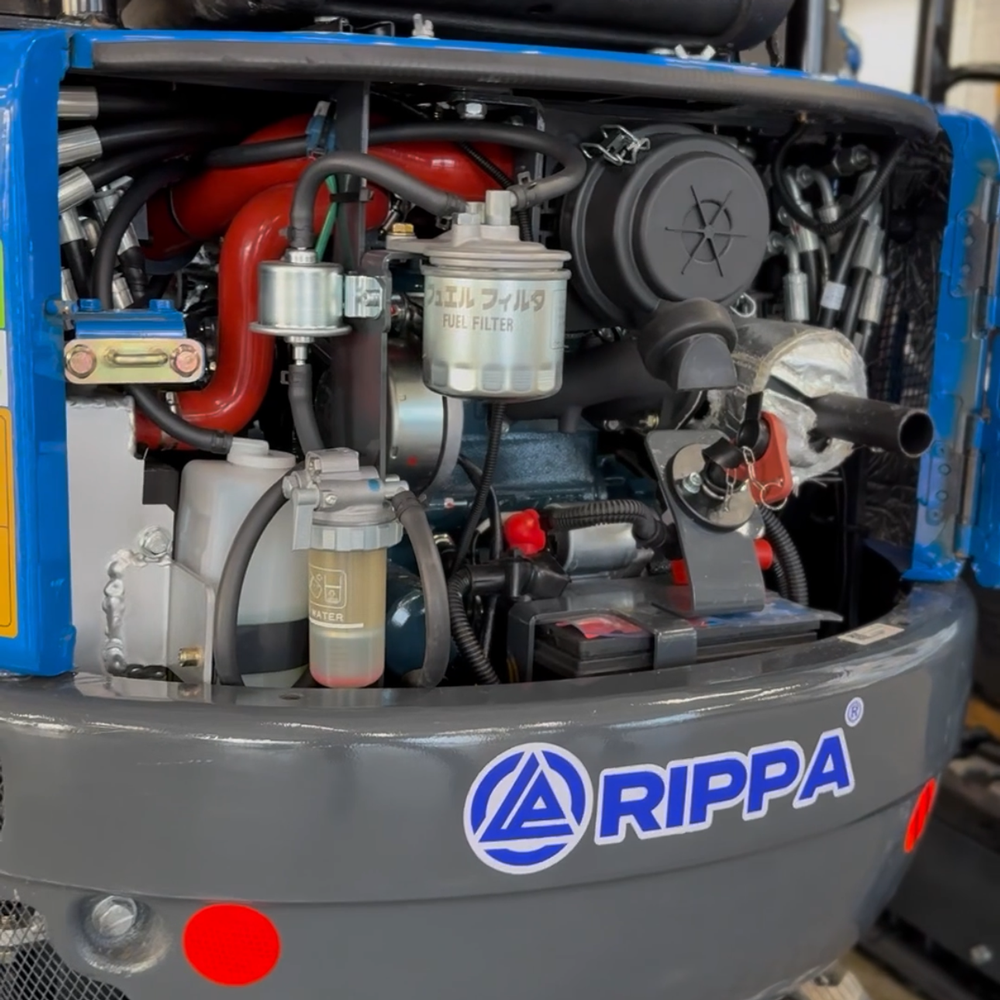
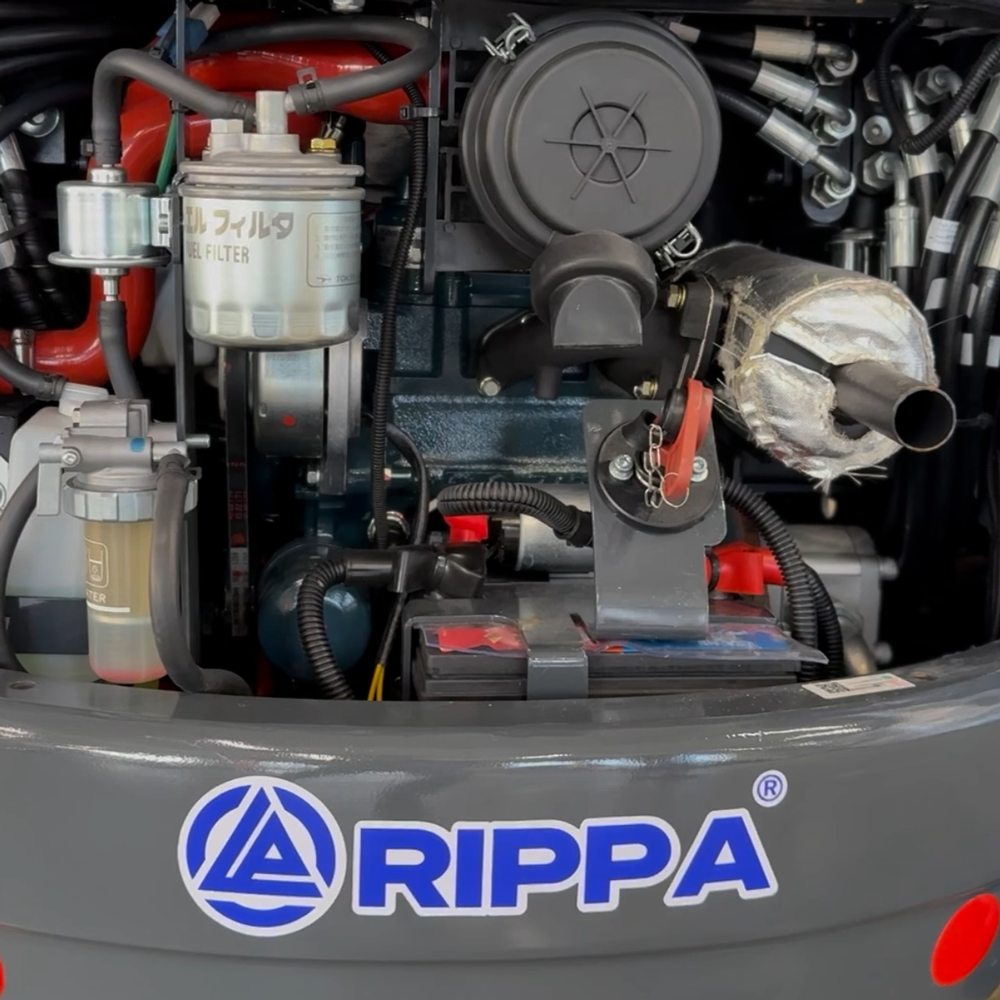
A Kubota engine works differently.
Less vibration.
More stable RPM.
Smoother operation throughout the entire day.
Glow plugs make a real difference in winter—you don’t start the day guessing whether it will fire up.
Its ~9.5 kW of power is designed not for short bursts, but for steady, continuous work: digging all day, running attachments, and not stopping halfway through a job.
A single-cylinder engine is suitable when the machine is not used daily and workloads are short.
A Kubota engine makes sense when the excavator is a daily tool, not a weekend helper—when it matters that you still have energy at the end of the day to keep working, not just pack up your tools.
We don’t start with price or engine labels.
We start by asking about your work and your working rhythm.
Will the machine run in short sessions, or every day for several hours?
Only then do we recommend whether a simpler solution is enough—or whether a Kubota engine is the smarter choice that saves nerves, time, and money in the long run.
If you’re unsure, it usually means the work hasn’t been fully evaluated yet.
It’s better to talk now than to change decisions halfway through the season.
The goal is simple:
a machine that works most of the day, not one that waits.
Visit the JEKPO physical store at Ateities g. 2, Dainos (Šiauliai).
We’ll go through your 60–70% task profile, show how RIPPA performs in your real scenario, and configure a solution without downtime.
📞 +370 628 87 761
🌐 jekpo.com