An excavator is often purchased with one task in mind—digging.
That’s how the selection usually starts: digging depth, bucket size, engine. On paper, everything looks logical.
But on site, it becomes clear very quickly that a working day is never just one task. And this is exactly where the problems begin—problems that are rarely considered before buying.
A real working day changes several times.
You dig in the morning. Then you need to push material. Later, shape the surface, clean up edges, drill in one spot, return to details in another.
When equipment is chosen for only one action, the daily rhythm starts to fall apart. Not because the machine is bad—but because it wasn’t selected for what happens after the first stage.
On site, you almost never do the same thing from morning to evening.
Tasks change multiple times per shift.
Every change costs time, movement, and focus. When the machine adapts quickly to the next task, work continues smoothly. When it doesn’t, extra driving, corrections, and backtracking appear.
The common question is: How does the excavator dig?
The less common—but more important—question is: How does it behave throughout the entire day?
Is it comfortable to work for several hours straight?
Is it easy to switch to another task?
Does the machine allow you to keep momentum when the plan changes?
The difference doesn’t show up in specs—it shows up during the workday. One machine is excellent at a single action; another supports a steady pace for the whole shift.
Many decisions are made “at first glance”: it looks right, specs are good, price fits.
But without clearly defining what you’ll be doing for most of the day, even a good excavator can start getting in the way.
What’s often missing is clarity about everything that happens between the main stages—and that’s where delays begin.
That’s why the key factor before buying isn’t the model name, but the daily workflow.
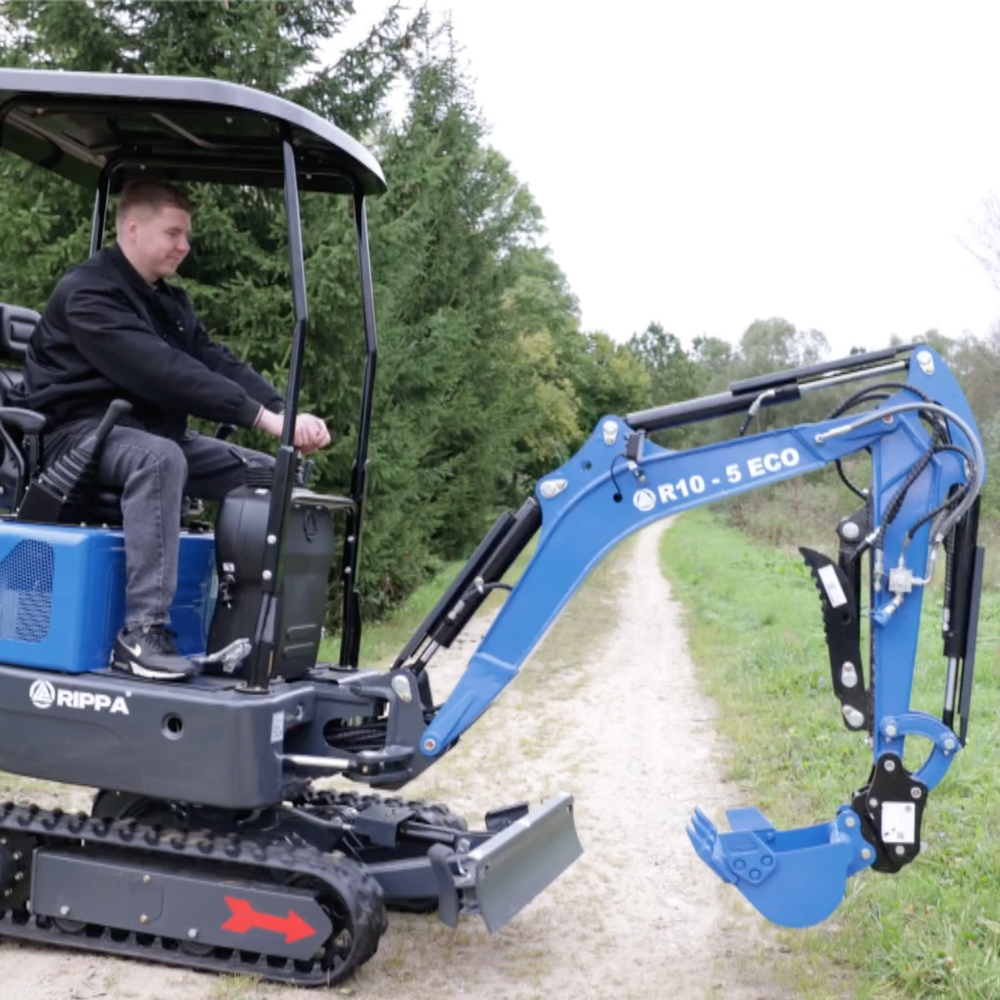
RIPPA machines are designed with changing workdays in mind.
Not for one strong action, but for situations where digging turns into pushing, shaping, or correcting.
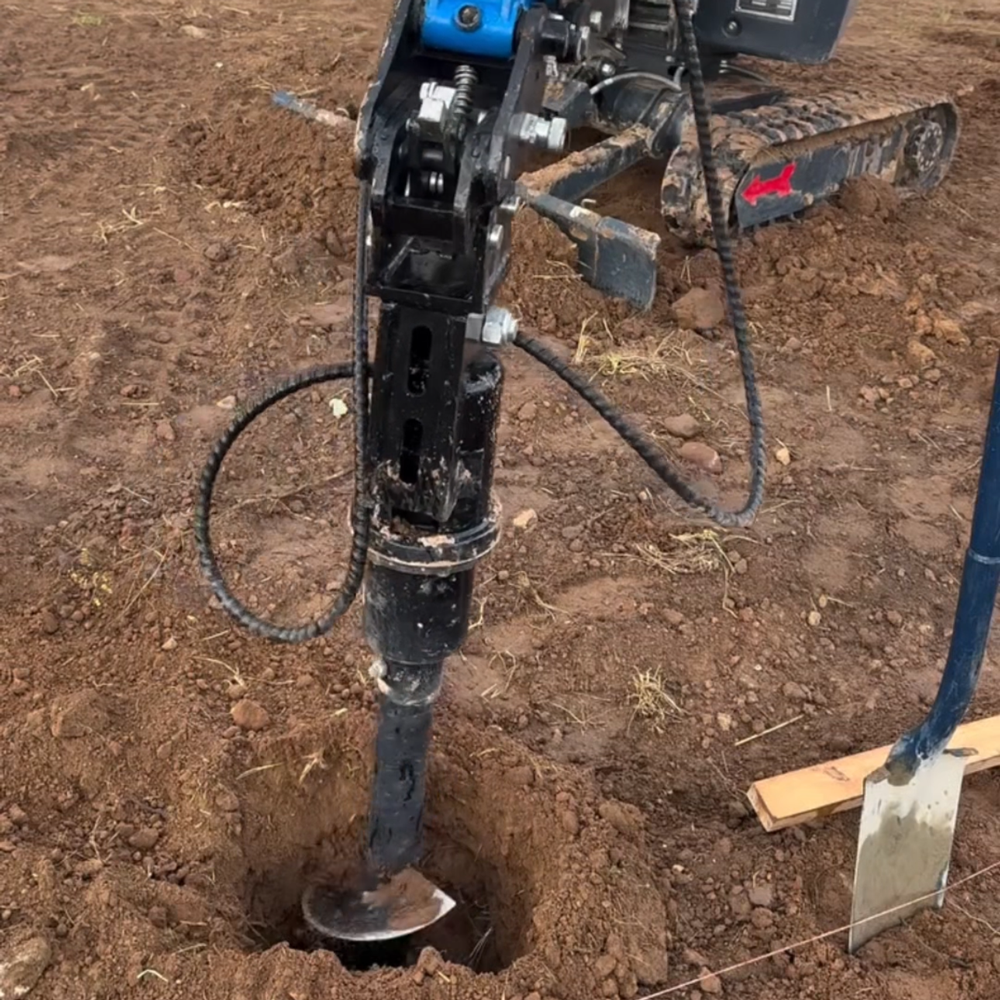
One base machine combined with different attachments allows you to keep moving when the plan shifts.
This isn’t about having more features.
It’s about making sure the machine doesn’t become a bottleneck when tasks change on site.
Most disappointments don’t come from poor machine quality—but from the wrong choice.
The clearer you define what you’ll be doing throughout the entire day, the fewer slowdowns you’ll face on site. Equipment should help you move forward, not force you to adapt to it.
If you’re planning work and want to understand which mistakes can be avoided before buying an excavator, it’s worth talking. Decisions always start in the head—long before the engine is started.