A loader creates real value when it doesn’t just do one job, but carries the entire rhythm of the workday.
If you only have a bucket, you only have one task.
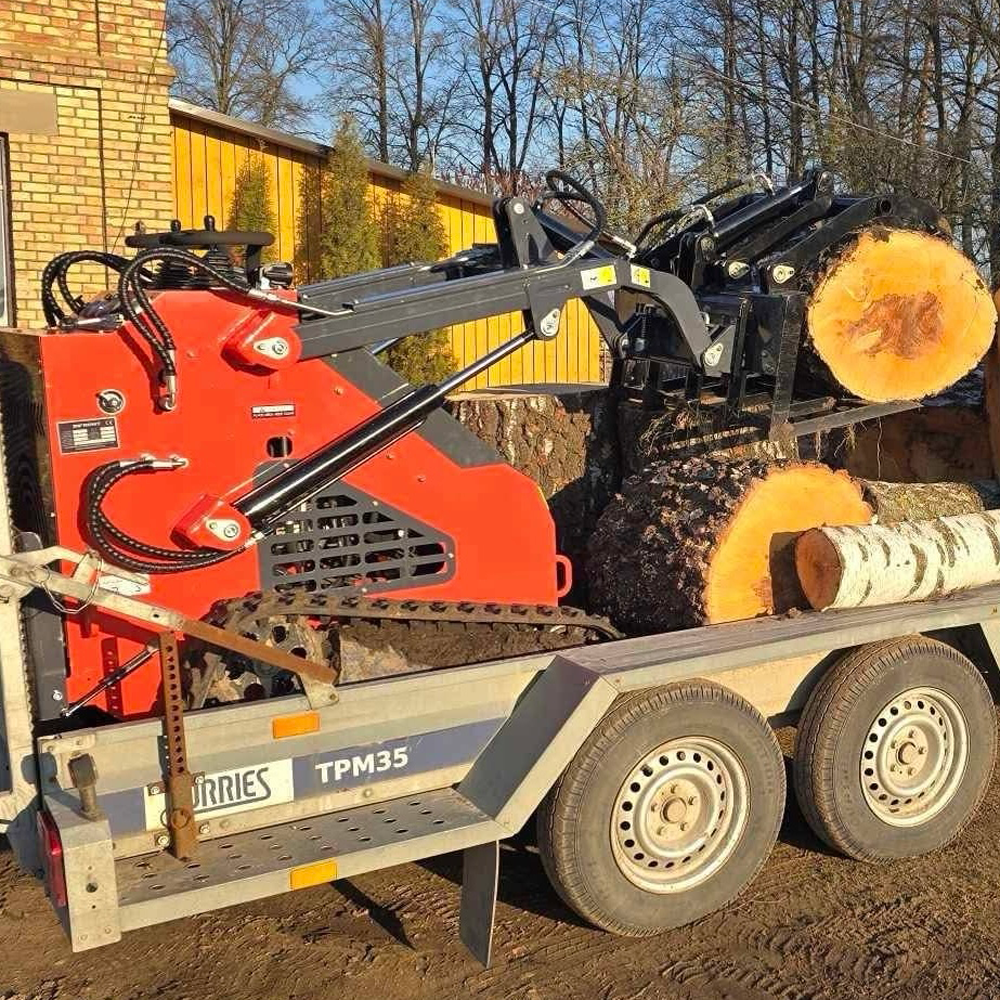
If you have a set of attachments and a clean changeover process, you can remove, transport, finish, and complete—all in one route.
This isn’t a trick. It’s a plan.
In the morning, the loader enters the site like one person with one tool. By the evening, it leaves like a full crew—without wasting a single meter.
A trencher cuts a straight trench faster than digging with a bucket.
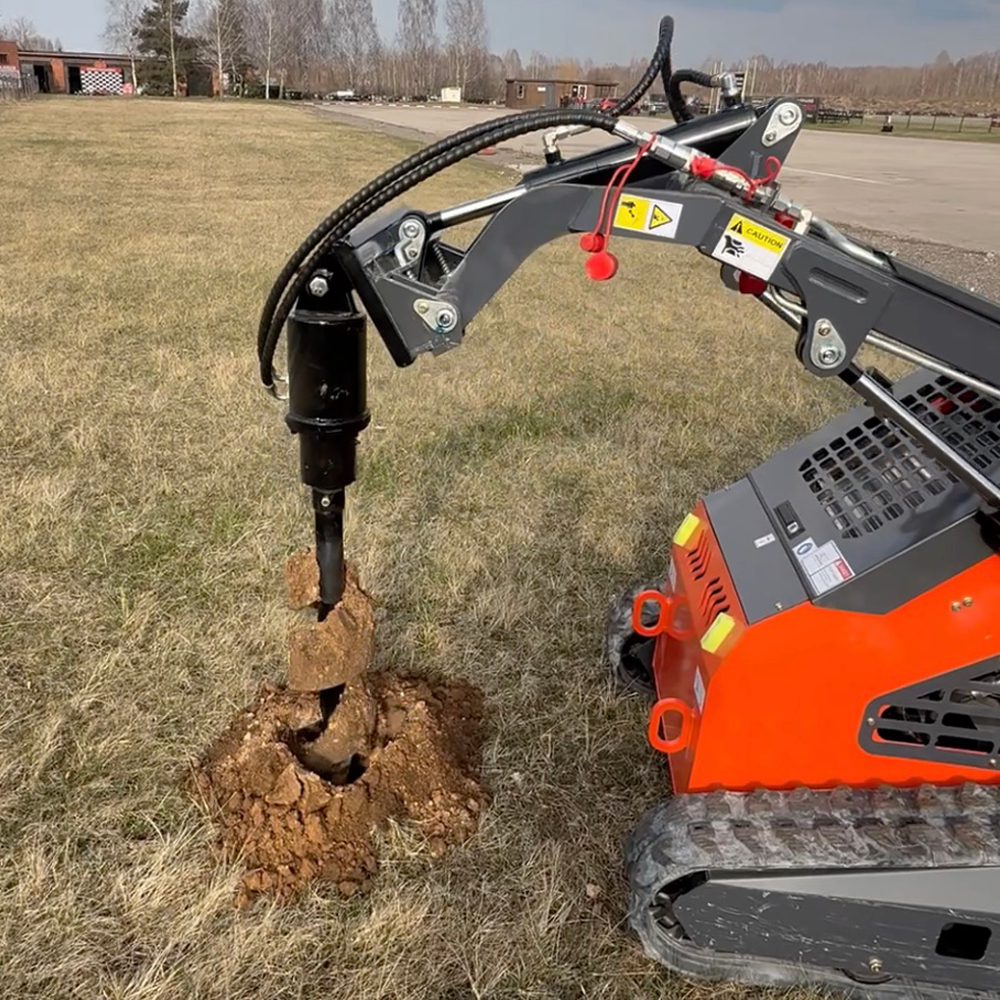
An auger sets posts in a steady rhythm.
A backfill roller restores compaction immediately after installation.
A grading blade brings the surface to the correct slope.
A broom closes the zone cleanly—no returning with a shovel.
The rule is simple: choose attachments by sequence, not by “maybe I’ll need it.”
If preparation is followed by drilling, then trenching, then backfilling and grading—those attachments are your base setup, not optional extras.
When you can change an attachment exactly where you stand—and in the time it takes to catch your breath—the temptation to “make do” with the wrong tool disappears.
That kind of shortcut always shows up later: uneven edges, damaged curbs, extra return trips.
A quick coupler cuts downtime that never appears in the estimate—but always shows up in the profit margin.
A good operator doesn’t drive randomly.
One pass handles everything possible along that line.
Remove material → drill → trench → backfill → grade → clean with a broom.
Only then move to the next strip.
Fewer spins in place mean fewer marks on pavers and grass.
Fewer empty meters mean less fuel burned.
This system shortens the day immediately—and calms the nerves.
Everything is done when it should be, not when someone remembers it.
If the loader doesn’t fit through the gate, it’s a plan, not a tool.
Before starting, always identify the narrowest point and the surface you’ll be working on.
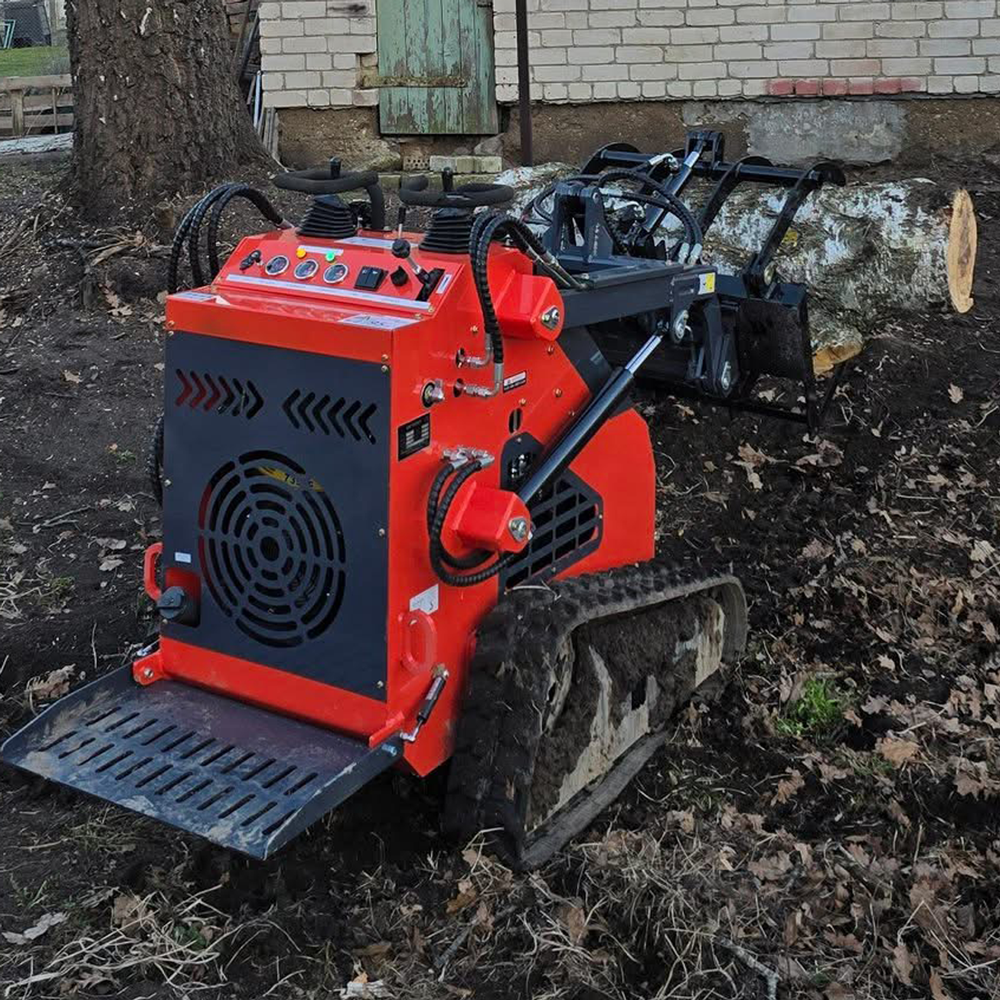
In tight spaces, narrow machines and tracks that distribute ground pressure win.
On hard, clean surfaces, wheeled loaders move faster with less maintenance.
Straight edges. Intact curbs. A finished area.
That’s the right tool, in the right place, at the right time.
Every extra second spent using the wrong attachment turns into double work later.
End-of-day cleanliness isn’t aesthetics—it’s money not spent on rework.
If the coupler rattles, hoses rub against edges, or the bucket edge “sings,” next week you’ll have service instead of progress.
Daily inspection takes five minutes in the morning—and saves hours in the evening.
Lubrication, hose checks, clean locking mechanisms—small things that keep the day on track.
Choose attachments based on your real task list.
Build a sequence.
Prepare fast changeovers.
Stick to the route: task → attachment → result.
When the rhythm becomes automatic, the loader stops being a machine and becomes a solution:
fewer passes, less strain, more done per day.
At our store on Ateities g. 2, Dainos (Šiauliai), we’ll show the full sequence live—from drilling to backfilling and grading.
We’ll build a base attachment set around your actual workflow and fine-tune the details so your next site starts with completed work, not a Plan B.
📞 +370 628 87 761