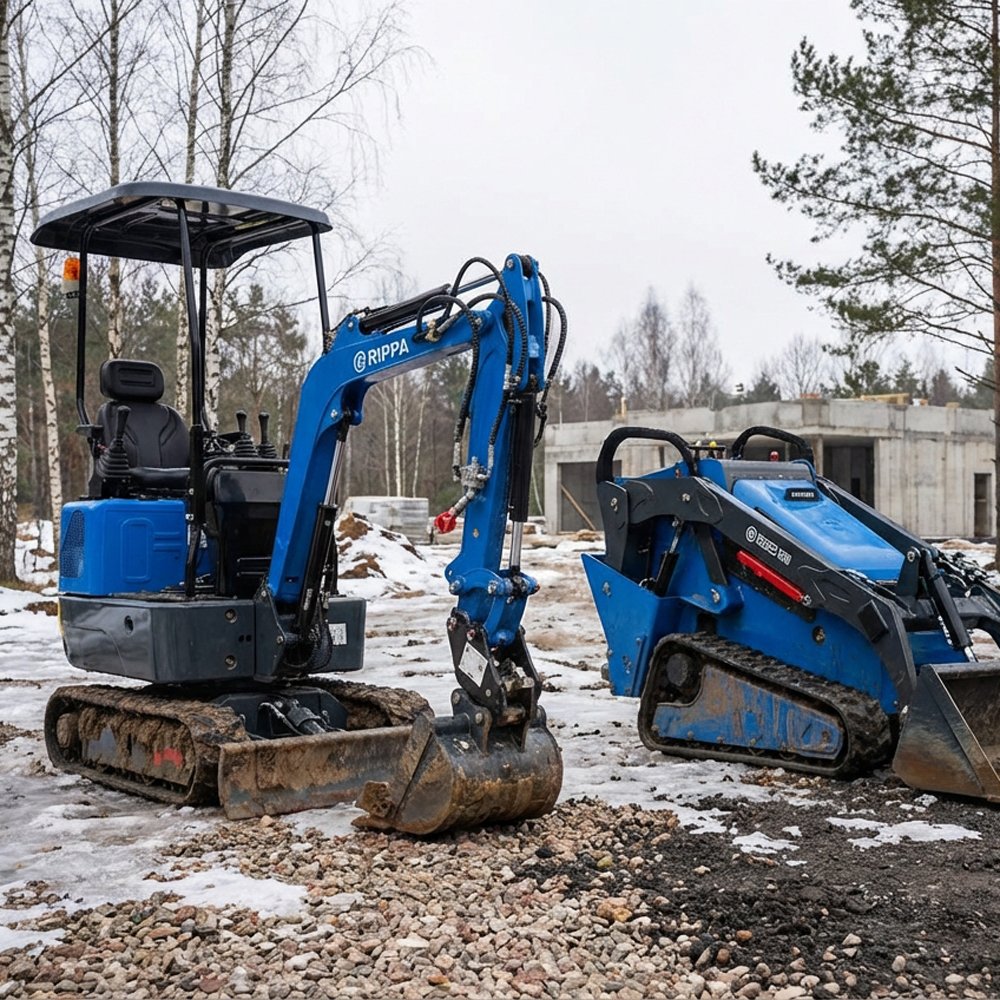
Construction machinery on site often looks prepared in advance: machines are delivered, crews are in place, and the work plan is clear. Yet after just a few hours, a problem starts to show — work is happening, but too slowly.
The trench is dug, piles are ready, but instead of moving forward, waiting begins. Soil piles up nearby, access routes narrow, and the next stage can’t start. The day breaks into short intervals with more standing around than actual work.
In most cases, this isn’t a lack of people or poor machinery.
Something is simply missing in the setup.
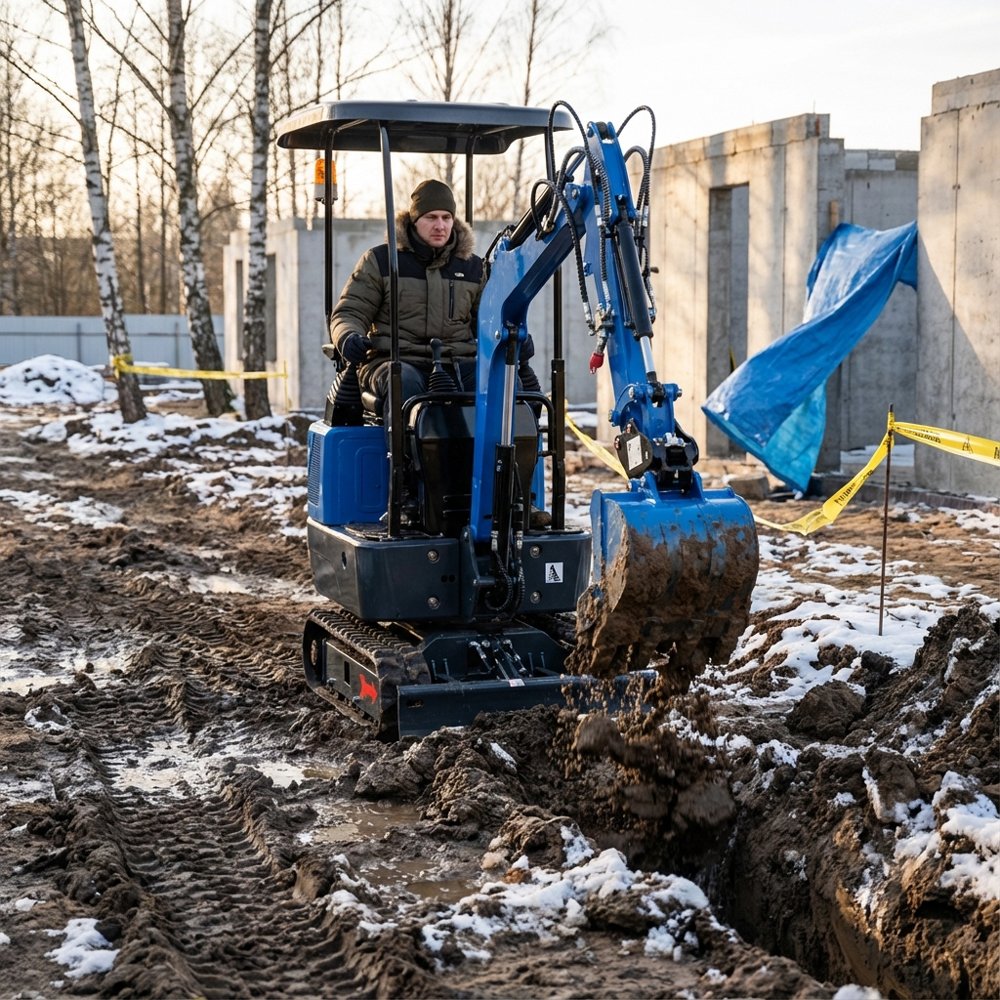
Construction machinery on site: the mini excavator
A mini excavator becomes the foundation on site when:
-
working in tight spaces,
-
digging close to buildings, fences or utilities,
-
precision matters in every movement.
In these conditions, the machine must maintain consistent performance throughout the day. If fatigue or uneven response appears after a few hours, the entire job stretches out.
This is where RIPPA mini excavators with Kubota engines prove their value in a straightforward way — smooth operation, no sudden drops in performance, less strain on the operator. You can repeat the same task hour after hour, knowing the result will remain consistent.
But excavation is never the final stage on site.
Everything you dig out has to go somewhere.
If excavated material stays nearby, sooner or later the excavator starts waiting.
That’s where the next machine becomes critical.
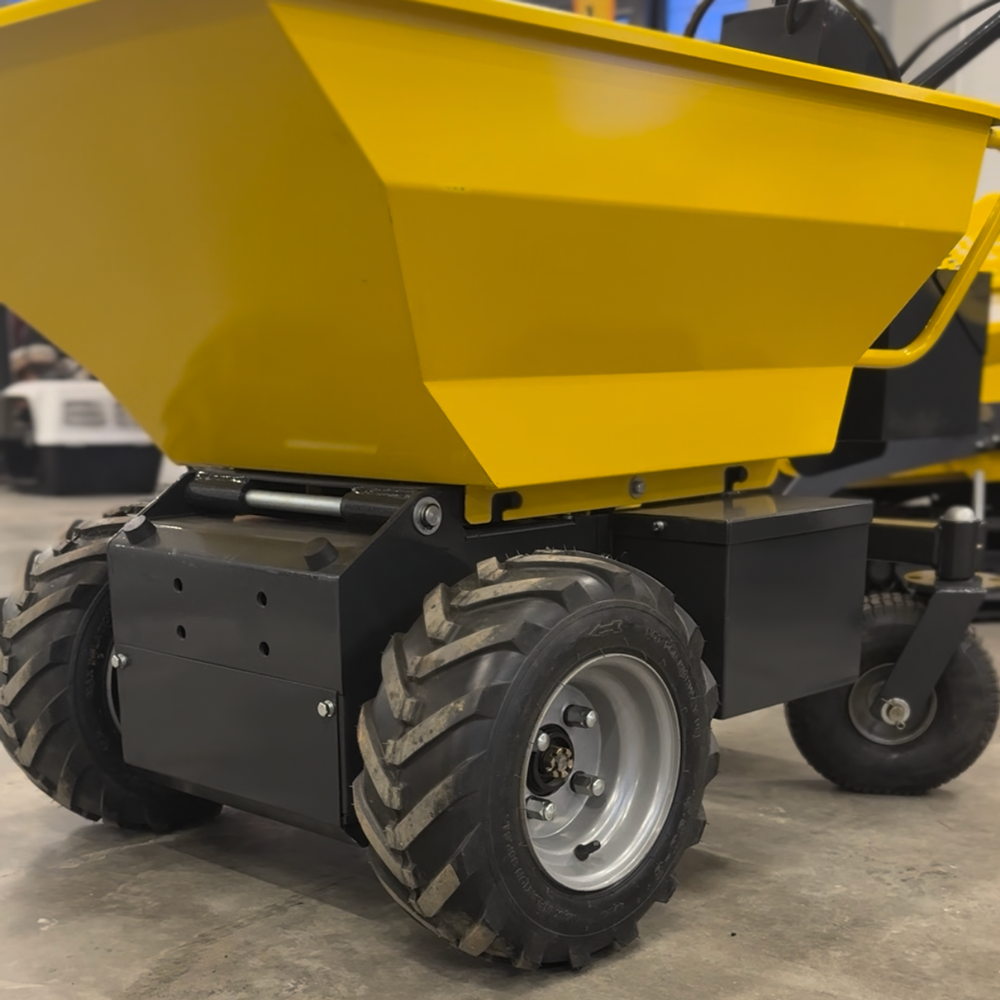
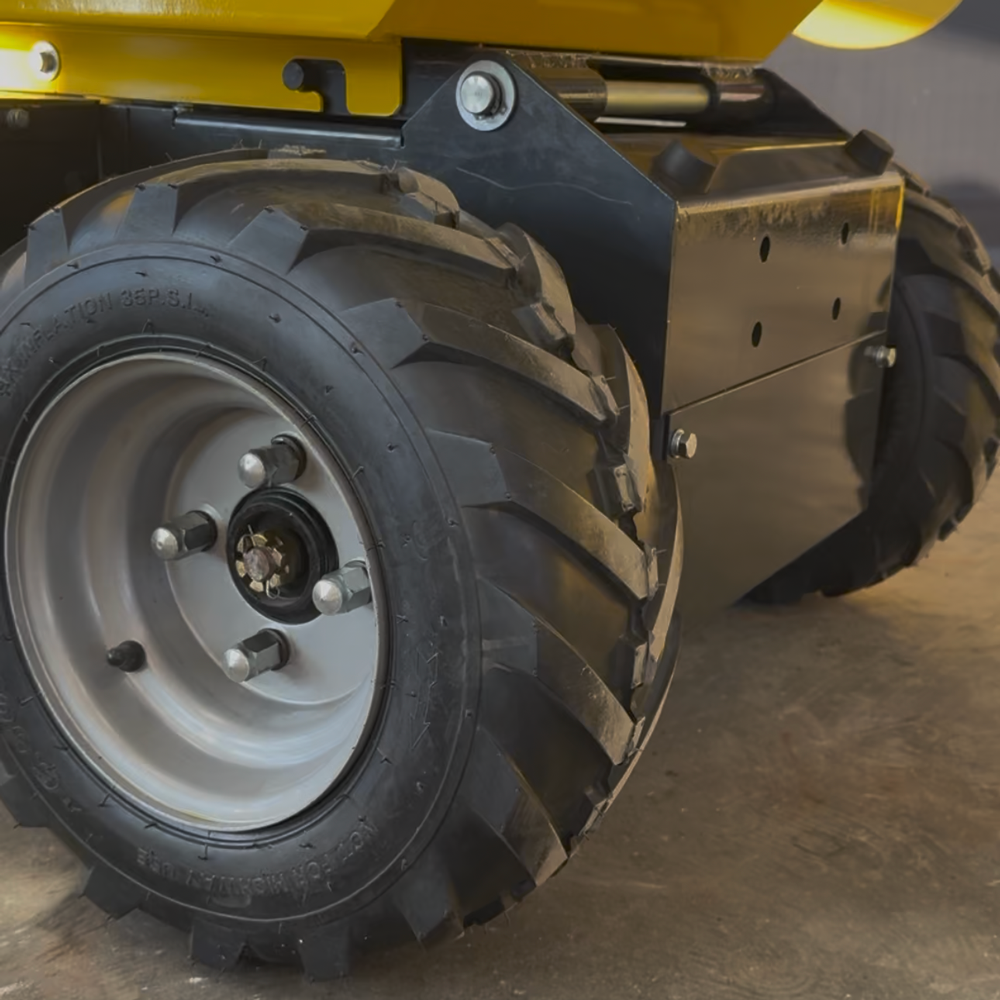
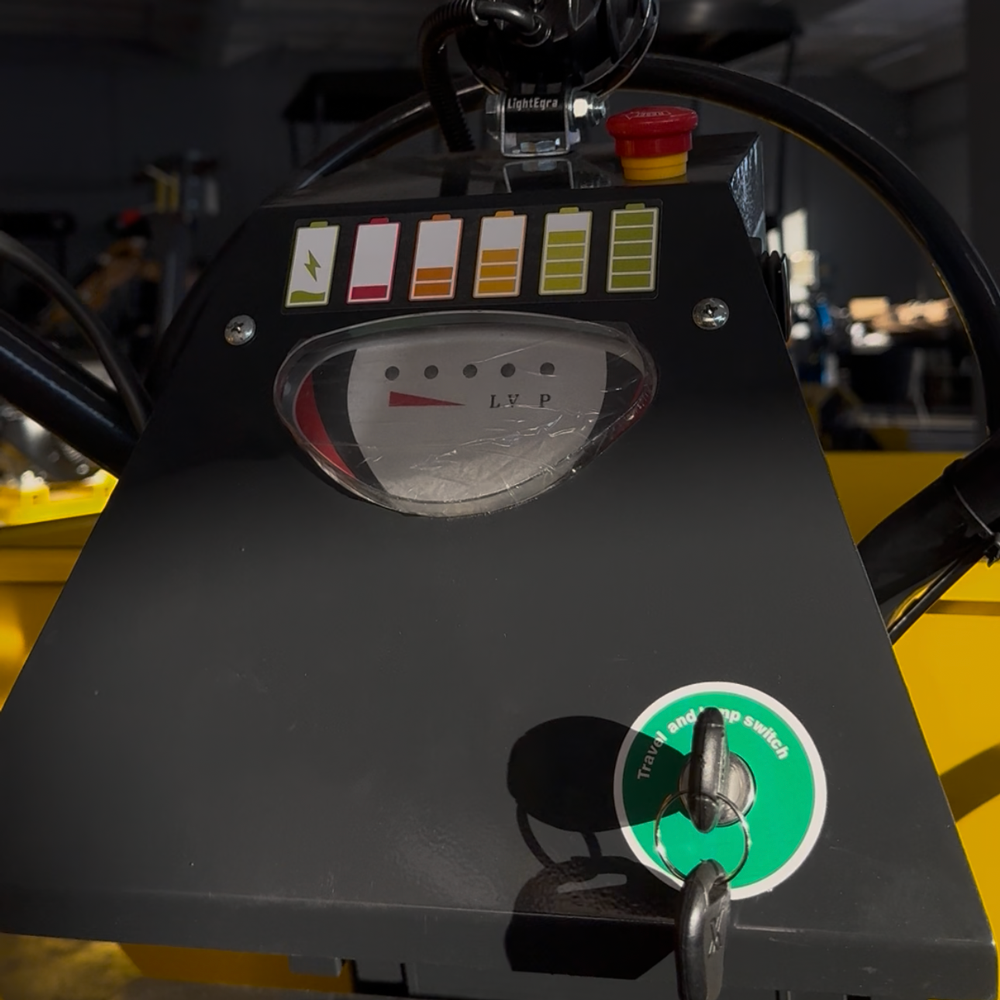
Construction machinery on site: the dumper
The need for a dumper becomes clear when material starts piling up. You begin manoeuvring, pushing, loading bit by bit. It feels like work is happening, but the day disappears quickly.
A dumper solves one simple problem — transport.
When soil or aggregate is removed immediately, excavation can continue without interruption.
This is especially noticeable:
-
in yards with no space for stockpiling,
-
in landscaping projects with staged workflows,
-
in densely built-up areas.
When the dumper works alongside the excavator, the site stays clear and the next phase can begin immediately — without unnecessary repositioning or delays.
Construction machinery on site: the loader
A loader becomes essential when volumes increase. Levelling ground, handling bulk materials, clearing snow, distributing fill. Here, precision to the centimetre matters less than how much you complete in a day.
A loader doesn’t dig, but it:
-
quickly removes excess material,
-
moves large volumes efficiently,
-
prepares areas for the next stage of work.
Its real value shows when it works together with the excavator and dumper. One digs, one transports, one distributes. The workflow moves forward without backtracking.
Why one machine is rarely enough
When a site tries to do everything with a single machine, the result is usually the same: each stage takes longer, pauses appear, and by the end of the day less is achieved than expected.
To the operator, it feels simple — work is happening, but everything feels heavier than it should. The issue is rarely engine power. More often, it’s the absence of one key machine in the process.
A simple setup that works
If you break it down:
-
the mini excavator digs accurately and consistently,
-
the dumper removes material and keeps movement continuous,
-
the loader distributes, levels and completes each stage.
When all three work together, the site runs without bottlenecks.
When one is missing, waiting begins.
How JEKPO helps avoid overcomplication
JEKPO doesn’t start with models or prices. The first step is understanding how work actually flows: where it slows down, where materials pile up, where time is lost. Often, the solution isn’t more machinery — it’s the right combination.
The goal isn’t “more”, but “right”.
Conclusion
Sites that run smoothly aren’t the ones with the most machinery, but the ones where everything is properly aligned. When the setup is clear, work moves without stops or unnecessary returns.
If you want to check whether your current machinery setup supports your workflow — or quietly slows it down — it’s worth discussing this before the season reaches its peak.
📍 JEKPO – Ateities g. 2, Dainos, Šiauliai
📞 +370 628 87 761
🌐 jekpo.com